




Notre Dame Videos
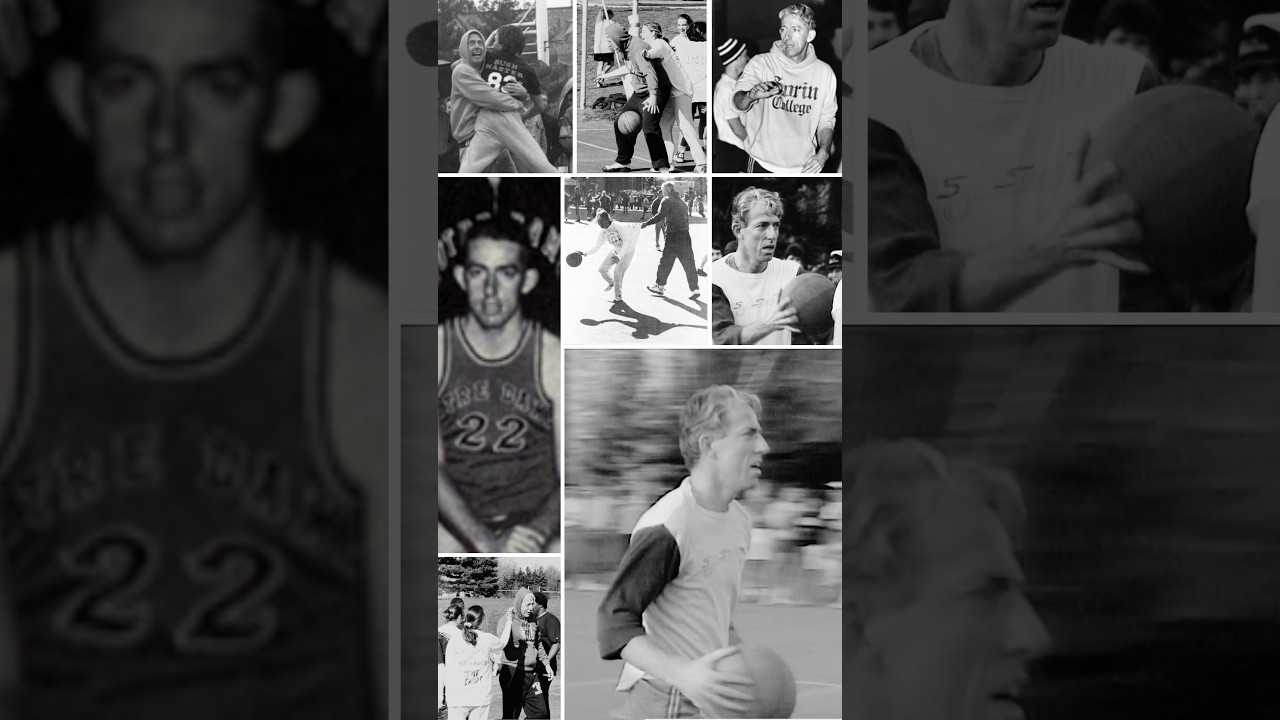
- 1:30Notre Dame's Most Legendary Bookstore Basketball Story 🏀Former Notre Dame President Rev. Edward "Monk" Malloy, C.S.C., looks back on his favorite memories playing in the legendary Notre Dame Bookstore Basketball tournament—including the infamous moment he pulled his niece's sweatshirt on the court that made national news.Listen to the full story on Notre Dame Stories—the official University of Notre Dame podcast 🎧#NotreDame #BookstoreBasketball #MonkMalloy #CollegeBasketball #NDStories #Shorts
- 1:14:37Consecrating Notre Dame to the Sacred Heart of JesusOn Friday, September 25, the University of Notre Dame was consecrated to the Sacred Heart of Jesus beginning with a celebration of the Mass in the Basilica of the Sacred Heart. The Most Rev. Kevin C. Rhoades, bishop of the Diocese of Fort Wayne–South Bend, preached and presided, and University President Rev. Robert A. Dowd, C.S.C., served as concelebrant.After the Mass, there was a Eucharistic procession to the Sacred Heart of Jesus statue for the consecration, where Bishop Rhoades and University leaders prayed for healing, for an end to divisions, and for strength to follow Christ’s call to selfless love.

What Would You Fight For?
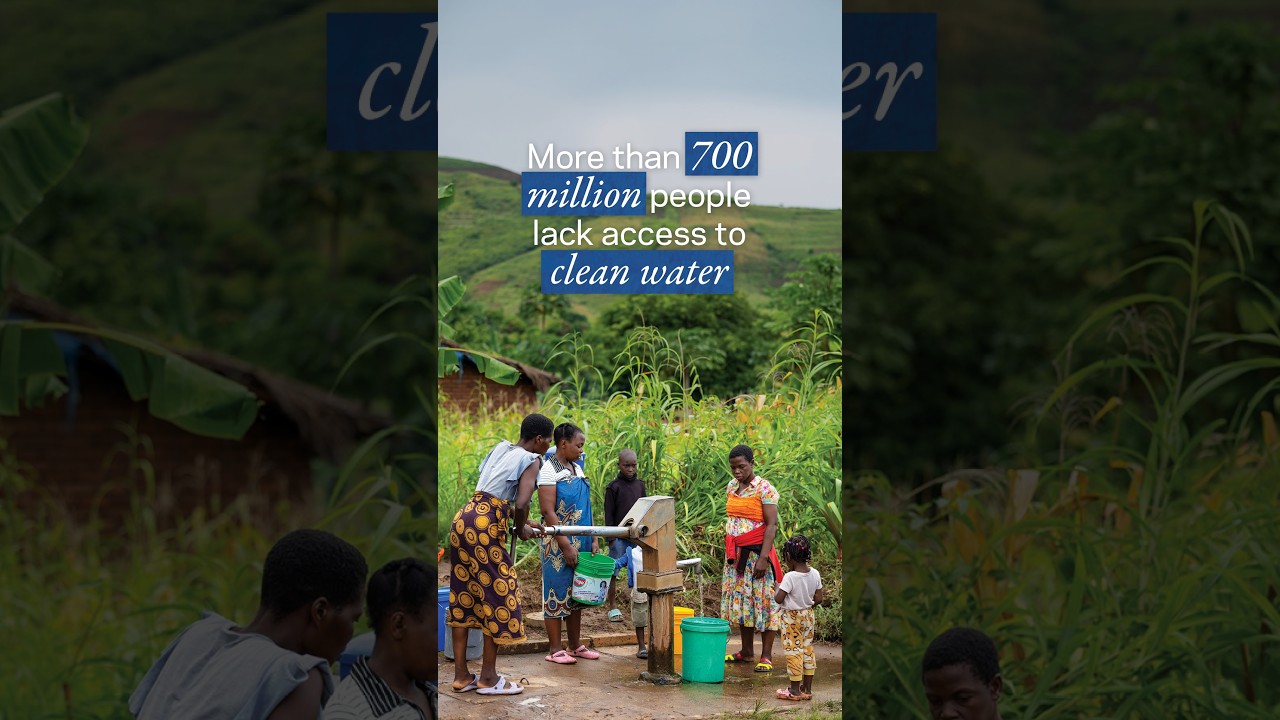
- 0:31How Data Science Keeps Clean Water FlowingHow can data science protect clean water access?Over 50,000 communal water pumps across Sub-Saharan Africa are out of service. University of Notre Dame professors Chengcheng Zhai and Alfonso Pedraza Martinez use mathematical optimization and predictive data modeling to manage water pump networks, schedule maintenance, and prevent system downtime before it happens.🔗 Learn more about Notre Dame research: https://go.nd.edu/FFWaterAccess#CleanWater #DataScience #NotreDame #Shorts #TechForGood
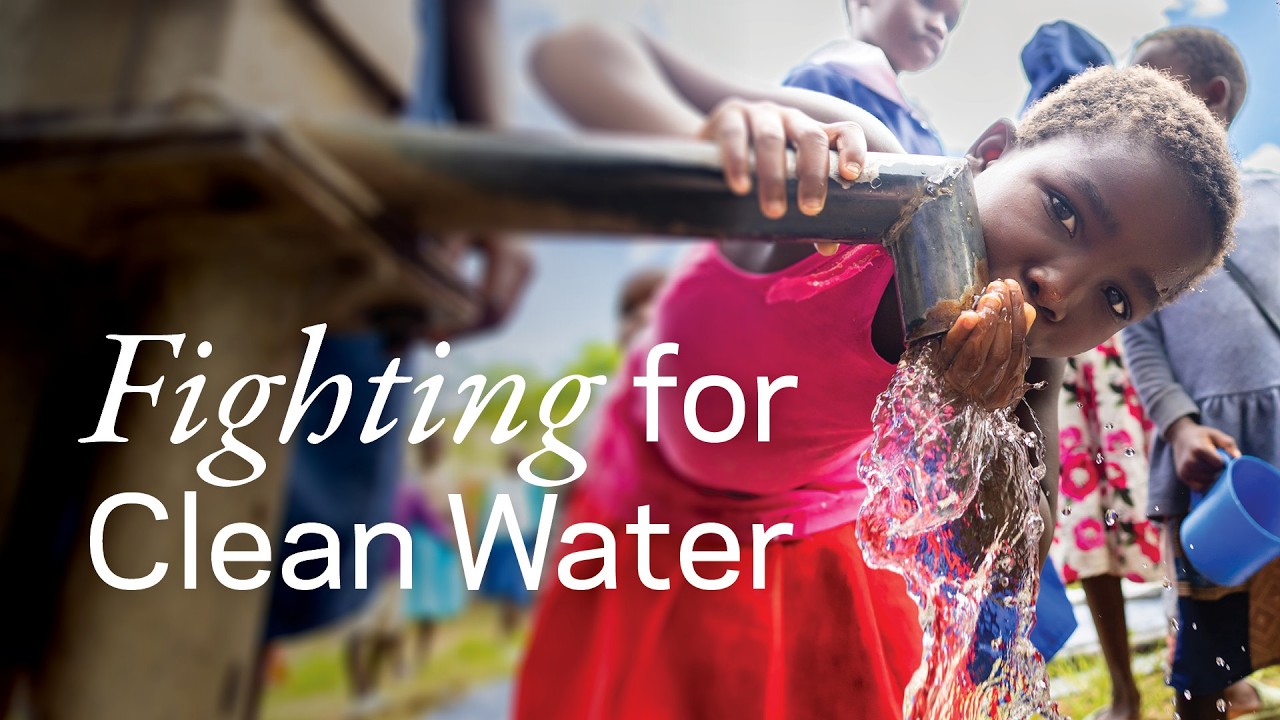
- 2:01How Data Science Keeps Clean Water Running in MalawiIn Sub-Saharan Africa, nearly 200 million people rely on communal hand pumps for clean drinking water—yet over 100,000 of these pumps are currently broken. When a water system fails, children miss school to fetch water, economic opportunities stall, and entire communities lose access to a basic necessity.Researchers Prof. Chengcheng Zhai and Prof. Alfonso Pedraza Martinez from the University of Notre Dame are collaborating with local engineers, water pump committees, and MBA students in Malawi to solve this crisis. By leveraging historical data and mathematical optimization modeling, their team identifies when and where water points are likely to fail, enabling proactive maintenance, better spare part distribution, and longer-lasting clean water access.00:00 Water infrastructure challenges in sub-Saharan Africa 00:26 Notre Dame's data-driven approach 00:47 Applying mathematical optimization to maintenance 01:08 Local community engagement & capacity building 01:19 The broader social and economic impact of reliable water 01:44 What would you fight for? | Notre DameLearn more about Notre Dame's work fighting for universal access to clean water: https://go.nd.edu/FFWaterAccess