




Notre Dame Videos
- 0:36A $1 Coating That Stops Medical Device InfectionsHow can an infection-resistant coating transform patient safety?Catheter-associated urinary tract infections (CAUTIs) cause over 1 million hospital complications in the U.S. each year. University of Notre Dame researchers Prof. Ana Flores-Mireles, Prof. Felipe Santiago-Tirado, and graduate student Alyssa La Bella developed a simple, low-cost liquid silicone coating that prevents proteins and pathogens from attaching to medical devices, stopping infections before they start.📍 Learn more about Notre Dame research: https://go.nd.edu/PreventingInfections#InfectionResistantCoatings #NotreDame #Shorts #InfectionPrevention #HealthTech #MedicalDevices
- 2:01How Infection-Resistant Coatings Could Stop Medical Device InfectionsHospital-acquired infections from catheters are one of the leading causes of deadly sepsis. When catheters are inserted, the body's natural defense mechanism can trigger inflammation, releasing proteins that trap bacteria and fungi onto the device.To solve this crisis, researchers at the University of Notre Dame have engineered a groundbreaking liquid silicone coating that creates a slippery barrier, preventing pathogen buildup and allowing harmful bacteria to wash away naturally.Watch how Prof. Ana Flores-Mireles, Prof. Felipe Santiago-Tirado, and Alyssa La Bella are revolutionizing medical device safety to protect vulnerable patients from preventable infections.00:00 The Personal Cost of Hospital-Acquired Infections 00:20 Why Catheters Trigger Deadly Sepsis 00:38 A Breakthrough from Notre Dame Researchers 00:51 How the Body Unintentionally Fuels Bacterial Growth 01:11 The Liquid Silicone Solution: How It Works 01:34 Transforming the Future of Patient Safety 01:46 What Would You Fight For? | Fighting to Prevent InfectionsLearn more about Notre Dame's work fighting to prevent re-infections

What Would You Fight For?
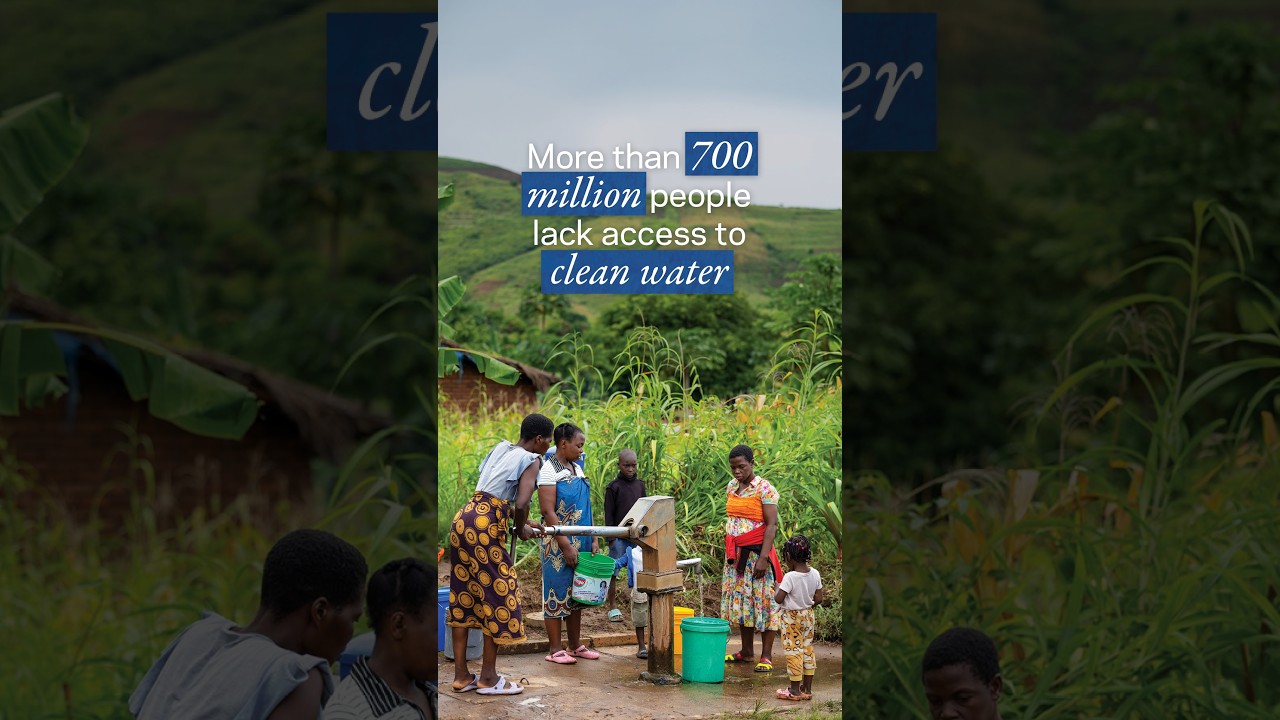
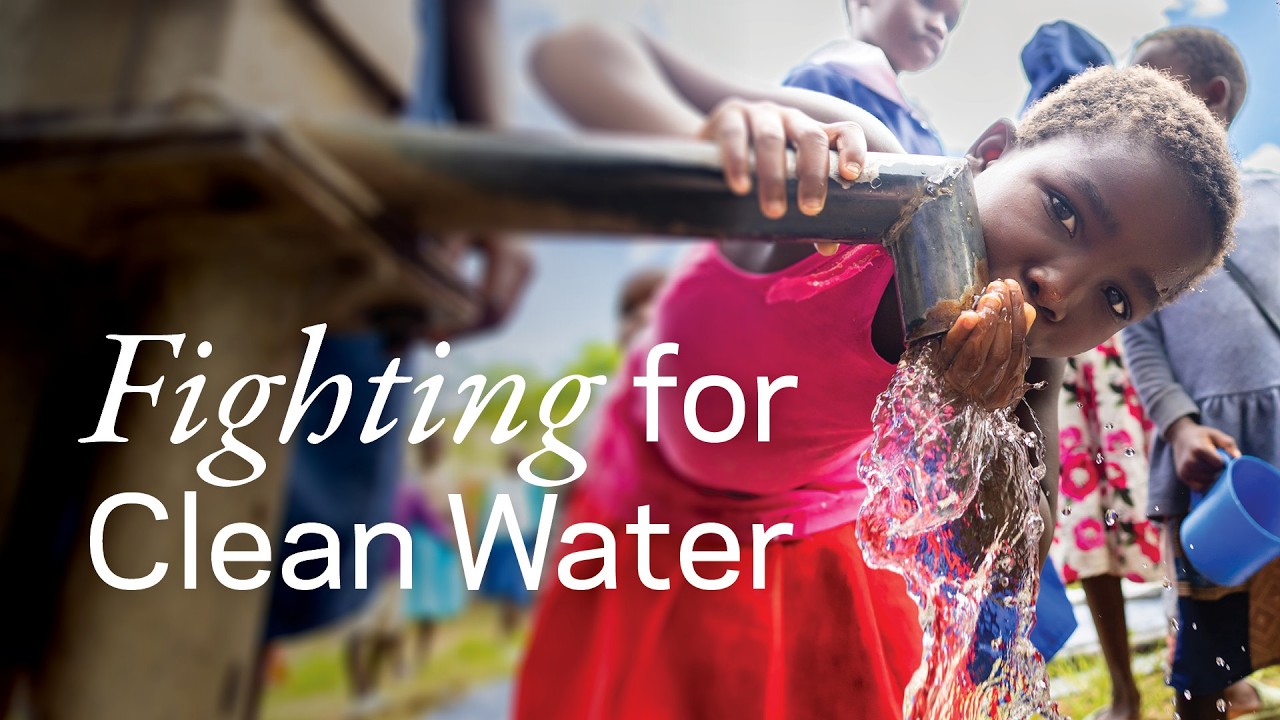
- 0:31How Data Science Keeps Clean Water FlowingHow can data science protect clean water access?Over 50,000 communal water pumps across Sub-Saharan Africa are out of service. University of Notre Dame professors Chengcheng Zhai and Alfonso Pedraza Martinez use mathematical optimization and predictive data modeling to manage water pump networks, schedule maintenance, and prevent system downtime before it happens.🔗 Learn more about Notre Dame research: https://go.nd.edu/FFWaterAccess#CleanWater #DataScience #NotreDame #Shorts #TechForGood
- 2:01How Data Science Keeps Clean Water Running in MalawiIn Sub-Saharan Africa, nearly 200 million people rely on communal hand pumps for clean drinking water—yet over 100,000 of these pumps are currently broken. When a water system fails, children miss school to fetch water, economic opportunities stall, and entire communities lose access to a basic necessity.Researchers Prof. Chengcheng Zhai and Prof. Alfonso Pedraza Martinez from the University of Notre Dame are collaborating with local engineers, water pump committees, and MBA students in Malawi to solve this crisis. By leveraging historical data and mathematical optimization modeling, their team identifies when and where water points are likely to fail, enabling proactive maintenance, better spare part distribution, and longer-lasting clean water access.00:00 Water infrastructure challenges in sub-Saharan Africa 00:26 Notre Dame's data-driven approach 00:47 Applying mathematical optimization to maintenance 01:08 Local community engagement & capacity building 01:19 The broader social and economic impact of reliable water 01:44 What would you fight for? | Notre DameLearn more about Notre Dame's work fighting for universal access to clean water: https://go.nd.edu/FFWaterAccess